

Surgical Oncology

Surgical Oncology in Ahmedabad — Cancer Surgery by Dr. Nishanth Sanghavi

Surgery remains one of the central treatments for many cancers, and the right surgical approach depends on the specific diagnosis. Dr. Nishanth Sanghavi provides surgical oncology consultation and care in Ahmedabad, with over 16 years of experience and more than 6,000 complex cancer surgeries across several cancer types.

reward

16 +

Years of Experience

6000+

Complex Cancer Surgeries Performed

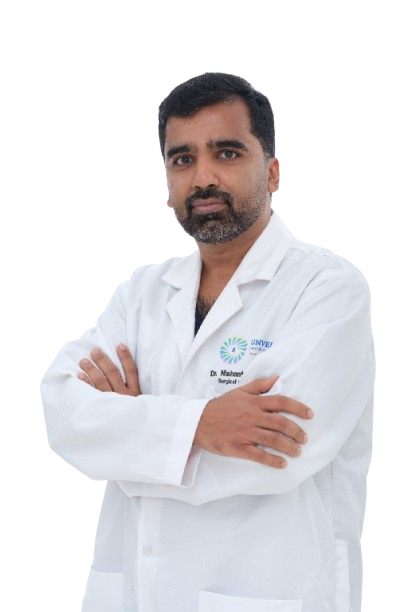
Dr. Nishant Sanghavi in a white coat at Zanish Cancer Hospital

Surgical Oncology in Ahmedabad — Cancer Surgery by Dr. Nishanth Sanghavi

Surgery remains one of the central treatments for many cancers, and the right surgical approach depends on the specific diagnosis. Dr. Nishanth Sanghavi provides surgical oncology consultation and care in Ahmedabad, with over 16 years of experience and more than 6,000 complex cancer surgeries across several cancer types.

reward

16 +

Years of Experience

6000+

Complex Cancer Surgeries Performed

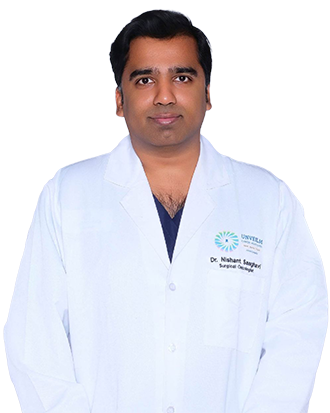
Dr. Nishant Sanghavi, surgical oncologist, in a white coat
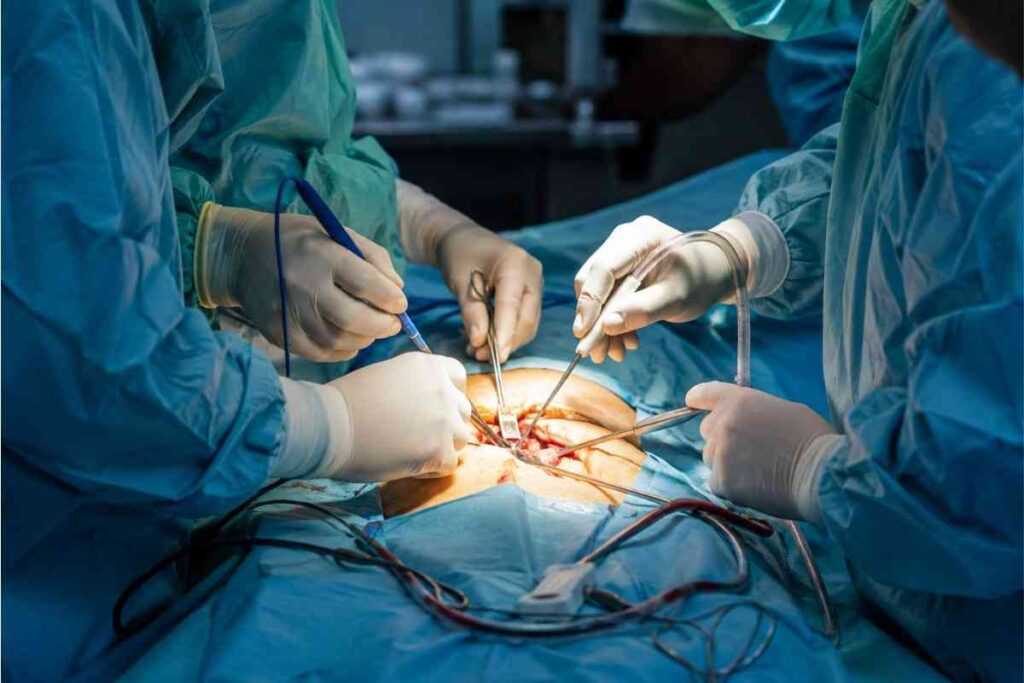
Surgical oncology care for cancer patients in Ahmedabad

What Is Surgical Oncology?

A surgical oncologist is a surgeon who focuses specifically on treating cancer, rather than general surgical conditions.

Surgery may be used to remove a tumour, to confirm a diagnosis through biopsy, or as part of a broader treatment plan alongside chemotherapy or radiation.

Because cancers vary widely in how they behave — in where they arise, how they spread, and how they respond to treatment — deciding whether, and how, to operate requires a specialist assessment of the individual case rather than a standard approach applied to every patient.

This is also why the field exists as its own surgical specialty, distinct from general surgery: it combines surgical skill with a detailed understanding of oncological principles, including tumour staging, safe surgical margins, and lymph node assessment.

Cancer Surgery Services

Dr. Nishanth Sanghavi’s surgical oncology practice covers the following verified areas:

Cancer Surgery Services
GI Oncology

GI Oncology

Surgery for cancers of the stomach, oesophagus, colon, rectum and hepatopancreaticobiliary region.

Uro-Oncology

Uro-Oncology

Surgery for cancers of the kidney, bladder and related urological organs.

Gynec-Oncology

Gynec-Oncology

Surgery for cancers of the cervix, uterus, ovary and vulva.

Head and Neck Oncology

Head & Neck
Oncology

Surgery for cancers of the oral cavity, larynx, pharynx, thyroid and salivary glands, including robotic-assisted approaches where suitable.

Breast Cancer

Breast Cancer

Surgical management, including breast-conservation approaches where appropriate.

Soft Tissue Sarcoma

Soft Tissue
Sarcoma

Surgery for sarcomas across different sites in the body, including the limbs and digestive tract.

Reconstructive Surgery

Reconstructive
Surgery

Reconstructive procedures associated with cancer surgery, where required to restore form and function after tumour removal.

✓

Each of these areas involves its own surgical considerations, which is why the specific plan for any patient is built around their individual case rather than a general protocol.
How Cancer Surgery Is Planned

The right surgical approach depends on several factors: the type and location of the cancer, its stage, the patient's overall health, and any prior treatment received. In many cases, surgery is planned alongside medical and radiation oncology, so that the sequencing of treatments — surgery first, or after other therapies — gives the best possible outcome for that specific patient. Some cancers are best treated with surgery alone; others require a combined approach. This is why an individual consultation, rather than general information, is the starting point for any treatment decision, and why bringing complete diagnostic reports to that consultation matters.

Surgical Approaches

Depending on the case, cancer surgery may be performed as open surgery, laparoscopic (minimally invasive) surgery, or robotic-assisted surgery. Each approach has its own considerations around incision size, recovery, and technical suitability for a given tumour, and the appropriate choice depends on the cancer type, its location, and clinical assessment — no single approach is right for every patient or every cancer. Learn more about robotic-assisted options on the Robotic Cancer Surgery page.

Why Consult a Surgical Oncologist?

A specialist consultation helps you understand your diagnosis clearly, review which surgical options may be relevant, and discuss their benefits and risks before deciding on a course of treatment. It also gives you a chance to ask direct questions about what a specific procedure involves, what recovery may look like, and how it fits into your overall treatment. Where appropriate, care is coordinated with other cancer specialists, so that surgery is considered as part of a complete treatment plan rather than in isolation.

Dr. Nishanth Sanghavi

Dr. Nishanth Sanghavi is a surgical oncologist trained at the Gujarat Cancer & Research Institute (GCRI), Ahmedabad, with a fellowship in advanced laparoscopic oncosurgery from Galaxy Care Institute, Pune, under Dr. Shailesh Puntambekar. He is the founder and consultant surgical oncologist at Zanish Cancer Hospital, Naranpura, Ahmedabad, and a director at Unveilm Cancer Associates.

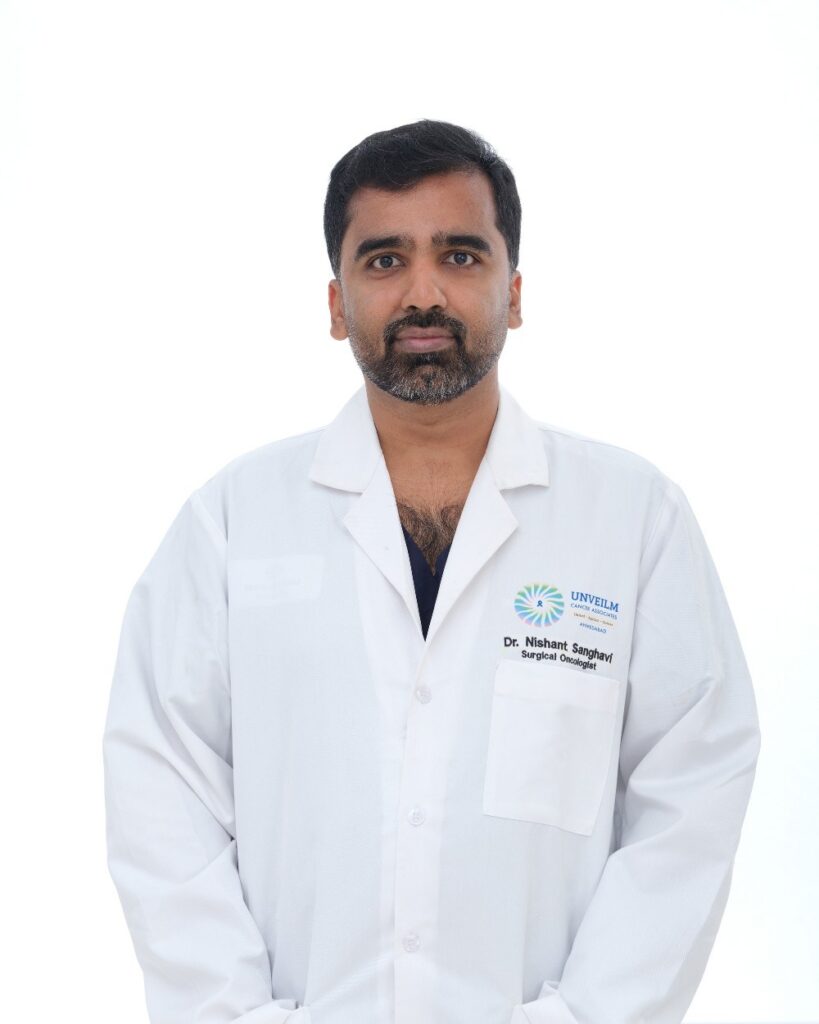
Dr. Nishant Sanghavi, surgical oncologist in Naranpura, Ahmedabad

Robotic Cancer Surgery

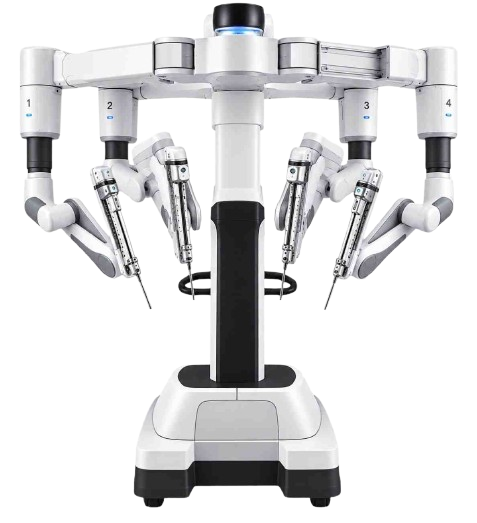
Robotic-assisted surgery is one of the minimally invasive options available for selected cancer surgeries, using a surgeon-controlled system for small incisions and magnified precision.

It is not automatically the right choice for every patient — suitability depends on clinical assessment.

Dr. Nishanth Sanghavi has particular, verified experience in robotic-assisted head & neck oncology surgery; suitability for other cancer types is assessed case by case.

Four-armed robotic surgical system with instruments attached, shown on a white background

Patient Questions

A surgical oncologist treats cancer through surgery, working with other specialists to plan appropriate care for each patient.

Typically after a suspected or confirmed cancer diagnosis, or when your imaging or biopsy reports suggest surgery may be part of your treatment.

GI, uro-oncologic, gynecologic, head & neck, breast and soft tissue sarcoma surgery, along with related reconstructive procedures.

Based on the cancer type, stage, location and your overall health, discussed in detail during consultation — not decided in advance.

This depends on your specific cancer. Some cases are treated with surgery alone; others involve chemotherapy or radiation alongside surgery, planned together with the relevant specialists.

Your diagnostic reports, imaging, biopsy results and a list of questions about your diagnosis and options.

Next Step

If you have been advised to consider cancer surgery, a consultation with a surgical oncologist can help you understand your diagnosis, surgical options and possible next steps.